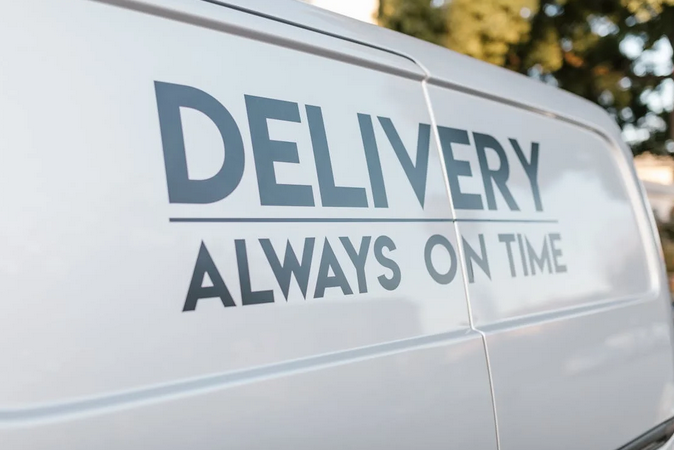
Multi-stop man-and-van deliveries require careful coordination to keep schedules tight and customers satisfied. Unlike single-drop moves, these routes involve planning timing, load order, fuel efficiency, and access points to avoid delays throughout the day. This becomes especially important for services handling moving in Croydon, where traffic patterns, parking restrictions, and narrow streets can impact delivery flow. Drivers must balance efficiency with care, ensuring items are protected while meeting multiple commitments. Behind every successful multi-stop delivery is a well-planned logistical process that keeps operations running smoothly. Understanding how these logistics work helps explain why experience and planning matter so much in man-and-van services.
Route Planning and Stop Sequencing

The order of stops plays a major role in delivery efficiency. Drivers and coordinators plan routes to minimize backtracking and idle time while accounting for road layouts and peak traffic hours. Heavier or bulkier items are often delivered first to free up space and improve handling at later stops. Timing also matters, especially when customers have limited availability. Poor sequencing can cause delays that ripple through the entire route. Good planning keeps driving smoothly and predictably, allowing each stop to flow into the next without unnecessary detours or rushed unloading.
Load Management and Item Organization
Multi-stop deliveries require careful load organization inside the van. Items must be arranged so that goods for earlier stops are accessible without disturbing items intended for later drop-offs. This reduces handling time and lowers the risk of damage. Clear labeling and logical stacking help drivers move quickly at each location. Weight distribution is also important, as uneven loads can affect handling and fuel use. Well-managed loads save time at every stop and keep the delivery process calm rather than chaotic. A few minutes of planning during loading can save a lot of time across the whole route.
Time Coordination and Customer Communication

Timing is one of the trickiest parts of multi-stop deliveries. Delays at one location can affect all following stops, so clear communication is essential. Drivers often provide estimated arrival windows rather than exact times to allow flexibility. Real-time updates help manage expectations if traffic or unloading takes longer than planned. This coordination keeps customers informed and reduces frustration. When everyone knows what to expect, deliveries feel more professional and reliable. Strong communication bridges the gap between planning and real-world conditions on busy delivery routes.
Multi-stop man-and-van deliveries rely on smart logistics rather than simple point-to-point driving. Careful route planning, organized loading, and clear communication all work together to keep deliveries efficient and predictable. Each stop adds complexity, but good preparation turns that challenge into an advantage. When logistics are correctly handled, drivers save time, customers stay informed, and vehicles are used to their full potential. This behind-the-scenes coordination enables multi-stop services to remain cost-effective and reliable, even on busy schedules with multiple destinations.